
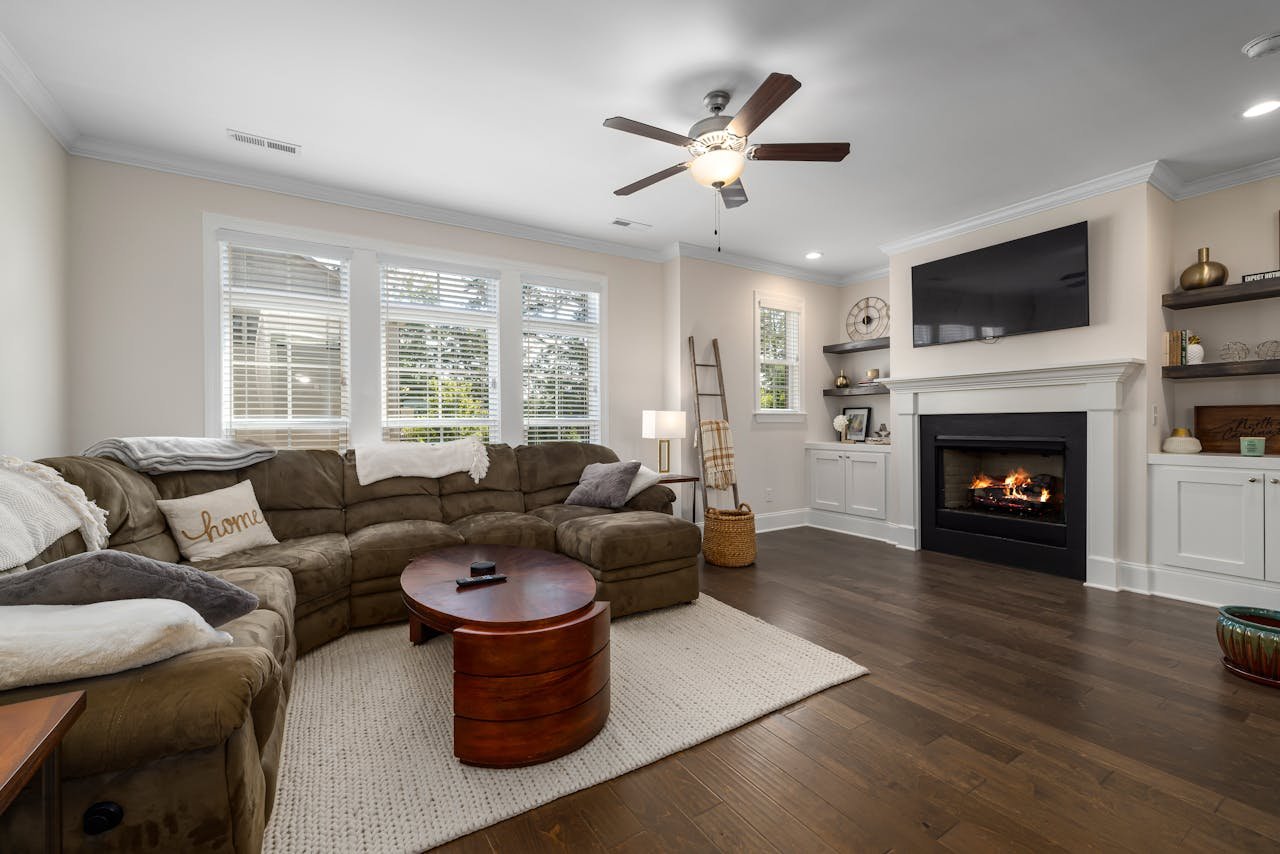
Not all windows serve the same purpose, and treating them as if they do is one of the easiest ways to get window treatments wrong. A bathroom window needs privacy and moisture resistance. A bedroom window has to support rest and darkness. A living room window, meanwhile, is about light, mood, and presentation. When you understand what each room actually asks of its windows, choosing the right treatment becomes far less overwhelming — and far more effective.
Below, we break down what works best in bathrooms, bedrooms, and living rooms, and why tailoring your choices room by room leads to a home that feels more comfortable, functional, and thoughtfully designed.
Bathroom Window Treatments: Privacy Without Blocking Light
Bathrooms are one of the trickiest spaces to dress because they demand both privacy and durability. Unlike other rooms, bathrooms contend with humidity, condensation, and frequent temperature changes, which immediately rules out many fabric-heavy options. The ideal bathroom window treatment protects privacy while still allowing daylight to filter through — especially important in smaller or window-limited homes.
Moisture-resistant solutions such as vinyl or faux-wood blinds, roller shades designed for humid environments, and water-safe cellular shades are particularly effective here. These materials won’t warp, mildew, or trap moisture the way untreated fabrics can. For bathrooms where privacy is a concern but natural light is still welcome, top-down/bottom-up shades or light-filtering options strike the right balance. The goal is coverage without enclosure — a window that feels bright, not boxed in.
Bedroom Window Treatments: Light Control and Comfort First
In the bedroom, window treatments play a direct role in sleep quality. Light, temperature, and privacy all influence how restful the space feels, which makes this room less forgiving of decorative-only choices. Even beautiful treatments fall short if they fail to block early morning light or street-level glare.
Blackout-lined custom roman shades, roller shades, or layered curtains are often the most effective solutions. They allow the room to darken properly while still offering flexibility during the day. Pairing a fitted shade with full-length curtains adds insulation and softness, helping regulate temperature and reduce outside noise. Beyond function, bedroom treatments should feel calming — neutral colours, soft textures, and minimal pattern help create a space that encourages rest rather than stimulation.
Living Room Window Treatments: Light, Style, and Flexibility
The living room is where window treatments are most visible — and often most expressive. Unlike bathrooms or bedrooms, this space benefits from adaptability rather than strict control. The living room window typically needs to handle a range of scenarios: bright afternoons, cosy evenings, entertaining guests, and everyday lounging.
Layered treatments work especially well here. Light-filtering shades paired with extravagant custom curtains allow you to adjust mood throughout the day without sacrificing style. Sheer curtains soften sunlight while preserving openness, while drapes add weight and presence when closed. Because this is a shared, social space, living room window treatments often carry more visual interest — whether through texture, subtle pattern, or elegant pleating — while still supporting light flow and privacy.
Why One-Size-Fits-All Rarely Works
Using the same window treatment throughout the home can seem appealing for the sake of cohesion, but it often leads to compromises that show up in daily use. What works beautifully in a living room may feel impractical in a bathroom, while a bedroom solution designed for blackout may overwhelm a light-filled communal space.
Cohesion doesn’t come from repetition alone; it comes from consistency in tone, colour, and quality. You can vary the type of window treatment by room while keeping fabrics, finishes, or palettes aligned. This allows each space to function properly without feeling disconnected from the rest of the home.
Final Thoughts: Let the Room Decide
The best window treatments aren’t chosen in isolation; they respond to how a room is used, how light enters it, and what kind of atmosphere it needs to support. Bathrooms prioritise privacy and resilience, bedrooms demand darkness and comfort, and living rooms thrive on flexibility and visual appeal.
When you allow each space to guide your choices, window treatments stop being an afterthought and start becoming an integral part of how your home works — day and night, room by room.