
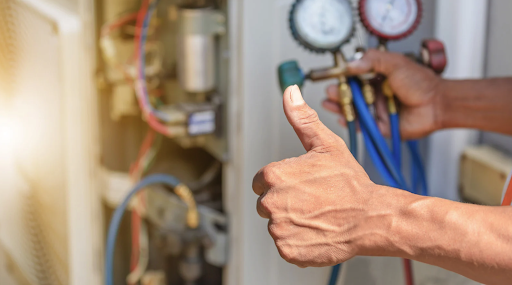
Heat pumps play an essential role in maintaining comfort throughout the year, but like any system, they can experience issues that affect performance. Recognizing early signs of trouble helps prevent costly repairs and keeps your home running efficiently. When you rely on a heat pump in Chattanooga, it becomes even more important to stay aware of how the system sounds, feels, and responds. Understanding common problems and knowing what to look for can help you protect your unit and maintain steady indoor comfort.
Common Mechanical Problems and What They Mean
Refrigerant leaks are among the most frequent heat pump issues. Low refrigerant reduces the system’s ability to heat or cool effectively and can strain the compressor. Signs include ice buildup on the coil or reduced temperature control. Addressing leaks quickly prevents major mechanical failures.
A faulty reversing valve is another concern. Since this valve allows the heat pump to switch between heating and cooling modes, problems with it may prevent the system from changing functions. Homeowners typically notice this when the pump only produces warm or cool air regardless of the setting.
Electrical issues can also arise, affecting sensors, relays, or wiring connections. These faults might cause the system to short cycle or fail to turn on. Because electrical components are critical to safe operation, early detection is especially important.
Dirty coils and filters are common but often overlooked problems. Over time, buildup on these components reduces efficiency and creates stress on the system. Regular maintenance and prompt cleaning promote smooth operation and help avoid more serious complications.
Identifying Early System Performance Issues
One of the first indicators of a heat pump problem is reduced airflow or inconsistent temperatures. When rooms feel warmer or cooler than usual, it may signal issues with clogged filters, duct leaks, or a struggling compressor. These problems often begin subtly before becoming noticeable, so paying attention to unusual changes in comfort can help catch issues early.
Strange noises also hint at underlying concerns. Rattling may point to loose components, while grinding can indicate wear on internal parts. Addressing noises promptly prevents further damage and extends the lifespan of the equipment. Many homeowners also seek guidance on how long do heat pump last to better understand the natural aging process of their system, which helps differentiate normal wear from early warning signs.
Another early clue is a sudden rise in energy bills. Heat pumps are designed for efficiency, so unexplained increases in usage often mean the system is working harder than it should. This could be caused by refrigerant issues, airflow restrictions, or sensor malfunctions.
Spotting Early Warning Signs at Home
Monitoring how often the system cycles can reveal potential issues. Short cycling, where the heat pump turns on and off frequently, often results from thermostat issues or blocked airflow. Long cycles may indicate the system is struggling to reach the desired temperature.
Moisture around the indoor unit is another sign to watch for. Water leaks can signal drainage problems or frozen coils, both of which require timely attention.
Unusual odors can indicate electrical concerns, mold growth, or overheating components. While some smells occur briefly during seasonal startup, persistent odors should not be ignored.
Conclusion
Recognizing early signs of heat pump problems helps protect your comfort and prevents larger repairs. Paying attention to airflow changes, unusual noises, cycling patterns, rising energy bills, and temperature inconsistencies allows homeowners to address issues before they worsen. Understanding how long heat pumps typically last and monitoring system behavior supports better decision making and long term reliability.