
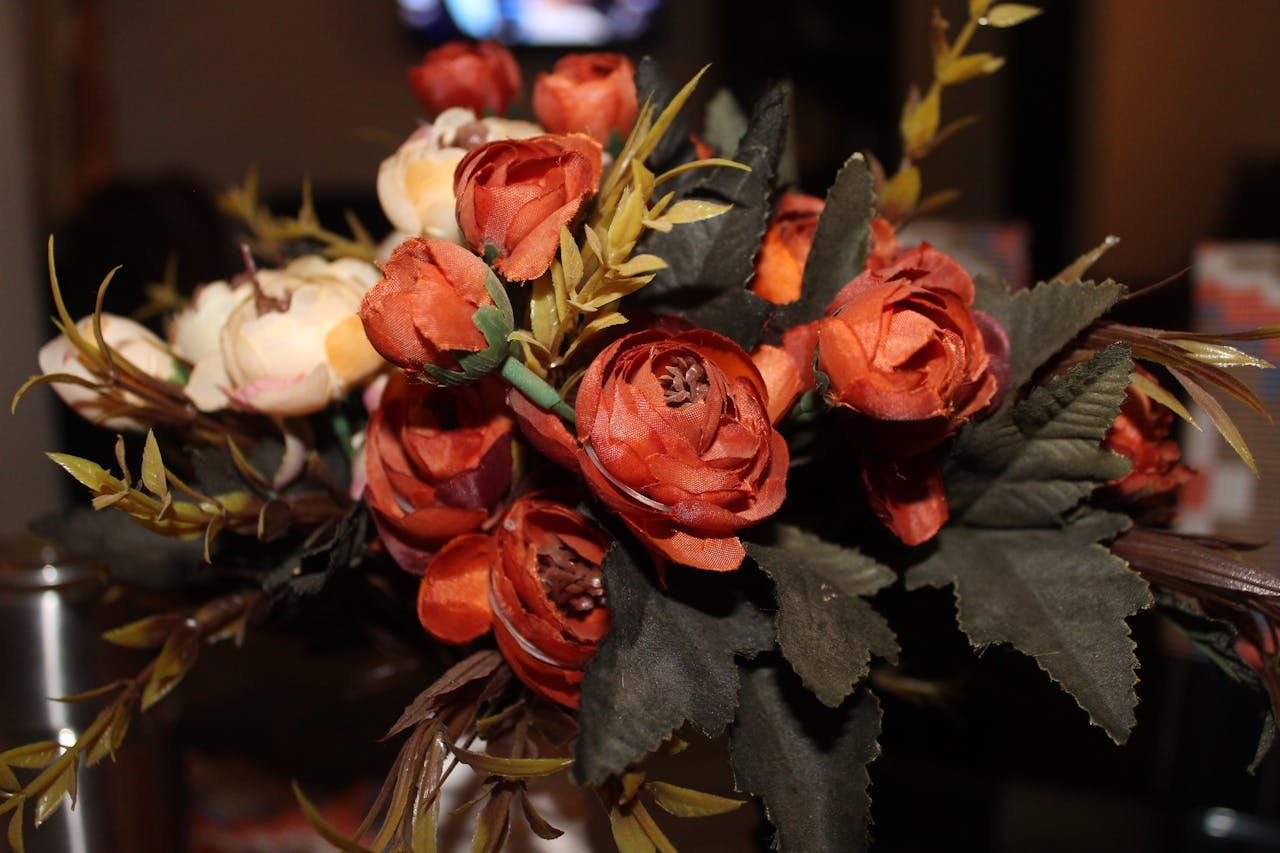
After nine years in interior staging and home design consulting, I’ve learned that choosing the best artificial plants for low maintenance home decoration goes far beyond selecting realistic-looking greenery – it’s about understanding how different artificial plant types, placement strategies, and quality standards impact both visual authenticity and long-term satisfaction in creating vibrant spaces without the commitment and potential failures that live plants often bring. What I’ve discovered is that most homeowners approach artificial plant selection based on immediate visual appeal without considering the complex interplay between material quality, realistic proportions, and the ability to enhance rather than cheapen their interior aesthetics.
The reality is that the best artificial plants for low maintenance home decoration depend on factors that most design guides completely overlook: your specific lighting conditions, existing color schemes, dust accumulation patterns, and the ability to create natural-looking arrangements that withstand close inspection. I’ve seen clients spend hundreds on expensive silk plants that looked obviously fake within weeks, and I’ve watched smart homeowners achieve stunning botanical effects through strategic artificial plant choices that fooled even experienced gardeners. Here’s what actually matters when you’re investing in faux greenery that needs to deliver authentic beauty without ongoing care requirements.
Material Quality and Realistic Texture Standards
Look, the biggest mistake I see homeowners make is choosing artificial plants based on photographs without understanding how different materials perform under actual home lighting and close inspection. From my experience managing staging projects and consulting on hundreds of home decoration installations, material choice determines whether your artificial plants enhance sophisticated aesthetics or immediately reveal themselves as obvious fakes.
The best artificial plants for low maintenance home decoration incorporate high-grade silk leaves, UV-resistant plastics, and realistic stem construction that withstand both natural and artificial lighting without looking cheap or obviously synthetic. What works in authentic decorative settings – plants with varied leaf textures, natural color variations, and weighted stems that drape realistically – creates the visual sophistication that distinguishes quality artificial plants from dollar-store alternatives. I’ve seen gorgeous contemporary spaces ruined by artificial plants that used shiny, uniform materials that caught light unnaturally. The 80/20 rule applies here: 80% of realistic credibility comes from materials that reward close inspection, not from impressive size or exotic species selection.
Size Selection and Proportional Room Integration
Here’s what nobody talks about: the hidden relationship between artificial plant sizing and room authenticity, and how getting scale wrong can make even high-quality plants look inappropriate or staged rather than naturally integrated into your living space. I’ve worked with clients whose beautiful luxury artificial plants failed because they didn’t understand the dimensional relationships that create believable botanical displays.
The data tells us that successful artificial plant installations typically use the same sizing principles as live plants – floor plants should reach 4-6 feet for visual impact, tabletop plants work best at 12-18 inches, and hanging plants need 2-3 feet of trailing length for natural draping effects. From a practical standpoint, this means the best artificial plants for low maintenance home decoration must be sized to match the growth patterns and proportions that real plants would achieve in similar positions. I once worked with a client who learned this lesson when their oversized artificial fiddle leaf fig dominated a cozy reading nook, requiring replacement with a more proportionally appropriate Boston fern that enhanced rather than overwhelmed the space.
Species Selection and Design Theme Compatibility
The real question isn’t which artificial plant species looks most impressive – it’s which botanical choices complement your existing interior style while providing the specific visual benefits your space needs without creating maintenance anxiety or care guilt. What I’ve learned is that successful artificial plant selection requires understanding how different species support established design themes and lifestyle patterns.
During economic uncertainty, smart decorators focused on classic artificial plant species like pothos, snake plants, and fiddle leaf figs that provided timeless appeal and worked across various design styles rather than trendy species that quickly looked dated or required frequent rearrangement. The best artificial plants for low maintenance home decoration work within established interior frameworks – tropical species that enhance modern aesthetics, traditional greenery that complements classic interiors, or sculptural succulents that support minimalist design approaches. I’ve seen families achieve stunning results through plant selections that enhanced rather than competed with existing artwork, furniture, and architectural details.
Placement Strategy and Lighting Considerations
During my years working with diverse home environments, I’ve discovered that placement strategy impacts artificial plant believability more than most people realize. The reality is that even perfectly crafted artificial plants can look obviously fake if positioned without considering natural light patterns, realistic growing conditions, and the visual logic that real plants would follow.
What works is understanding how artificial plants interact with natural and artificial lighting – positioning sun-loving species near windows, shade plants in darker corners, and hanging varieties where real plants would naturally trail. The best artificial plants for low maintenance home decoration require strategic placement that maximizes their realistic appearance while serving decorative goals. I’ve worked with families whose artificial plant relocations transformed room dynamics, moving plants from competing positions to supportive locations that enhanced overall design cohesion without the ongoing concern about proper care or seasonal changes. Health and wellness principles, similar to holistic approaches discussed in resources like Pharmacy Paper, emphasize creating nurturing environments that support both psychological well-being and practical lifestyle needs.
Dust Management and Long-Term Appearance Maintenance
Here’s where I see most artificial plant installations compromise long-term satisfaction: choosing beautiful plants without understanding the cleaning and maintenance requirements that keep them looking fresh and realistic over months and years of display. The bottom line is that artificial plants accumulate dust, pet hair, and environmental particles that can quickly make them look tired and obviously fake if not properly maintained.
From my experience troubleshooting disappointing artificial plant installations, best artificial plants for low maintenance home decoration must accommodate realistic cleaning schedules and methods that busy homeowners can actually sustain. What works is choosing plants with smooth leaf surfaces that dust easily, avoiding heavily textured species that trap particles, and positioning plants where they can be reached for regular maintenance. I’ve worked with clients whose expensive silk plants became eyesores because they required weekly detailed cleaning that wasn’t sustainable with busy family schedules. Modern home technology, similar to smart solutions discussed on platforms like Tech Vercity, has created artificial plant materials that resist dust accumulation better than traditional options.
Pot and Container Integration for Authentic Presentation
The 80/20 rule applies powerfully here: 80% of artificial plant authenticity comes from appropriate container choices and styling details rather than just the plant quality itself. I’ve seen stunning artificial plants look obviously fake because they were displayed in cheap plastic pots or containers that didn’t match the sophistication the plants were meant to create.
Best artificial plants for low maintenance home decoration require thoughtful container selection that enhances rather than undermines their realistic appearance – natural materials like ceramic, terra cotta, or woven baskets that support the illusion of living plants requiring proper drainage and care. What I’ve learned is that container investment often provides better authenticity improvement than upgrading plant quality, particularly when working with mid-range artificial species. I’ve worked with clients whose artificial plant displays transformed through strategic repotting into containers that matched their existing décor while supporting the botanical illusion through realistic proportions and materials.
Budget Allocation and Long-Term Value Strategy
After helping dozens of homeowners optimize their artificial plant investments across different budgets and design requirements, what I’ve learned is that artificial plant purchases should be evaluated as long-term decorative infrastructure rather than temporary solutions or compromises. The reality is that quality artificial plants typically serve 5-10 years in active display, making cost-per-year calculations more important than initial price comparisons.
The best artificial plants for low maintenance home decoration typically fall in the $50-300 range per piece where you get the material quality, realistic proportions, and construction durability necessary for genuine decorative enhancement without paying luxury premiums that don’t improve visual authenticity significantly. What I’ve discovered is that strategic artificial plant investments often provide better long-term value than live plant collections when factoring in replacement costs, care supplies, and the stress of maintaining living specimens that may not survive seasonal changes or care lapses. Investment thinking, similar to value strategies discussed on platforms like Crypto Paper, benefits from choosing quality decorative elements that provide consistent visual benefits without ongoing operational costs.
Multi-Room Coordination and Seasonal Flexibility
From a practical standpoint, most homeowners underestimate how artificial plant choices affect overall home cohesion and miss opportunities to create coordinated botanical themes that enhance multiple spaces simultaneously. The data shows that homes with thoughtfully coordinated artificial plant collections appear more intentionally designed and sophisticated than those with random plant placement or species selection.
The best artificial plants for low maintenance home decoration accommodate multi-room styling strategies through species and container choices that work across different spaces while maintaining design coherence and visual flow. What I’ve discovered is that homeowners who develop coordinated artificial plant themes – using consistent container materials, complementary species, or repeated color palettes – achieve more sophisticated results than those who treat each plant as an isolated decorative element. Success requires thinking systematically about how artificial plants contribute to overall home atmosphere rather than just filling empty spaces with generic greenery.
Choosing the right artificial plants for low maintenance home decoration comes down to understanding authentic design integration versus superficial green accent placement, making decisions based on long-term visual satisfaction rather than immediate convenience or cost savings. The best artificial plants for low maintenance home decoration deliver consistent beauty and realistic presence while accommodating the practical realities of busy lifestyles that can’t accommodate the demands of living plants.
What I’ve learned is that successful artificial plant selections prioritize material authenticity, appropriate scaling, and strategic placement over exotic species or extreme budget constraints. The right artificial plants become essential elements of sophisticated living – they provide reliable botanical beauty and design enhancement without demanding attention, creating guilt, or requiring ongoing care commitments.
The thing is, artificial plant choice affects both daily satisfaction and long-term home atmosphere more than most people realize. Investing in the best artificial plants for low maintenance home decoration that match authentic design standards and practical lifestyle requirements pays dividends in enhanced daily experiences and maintained home beauty over many years. The right artificial plant collection becomes trusted decorative infrastructure that justifies its cost through consistent performance and enduring visual appeal.
What artificial plant types look most realistic for home decoration?
Pothos, snake plants, fiddle leaf figs, and succulents offer the most convincing artificial versions due to their naturally sturdy appearance and simple leaf structures. These species translate well to artificial materials while maintaining believable proportions and realistic growth patterns that enhance home décor.
How do I clean and maintain artificial plants long-term?
Dust artificial plants weekly with microfiber cloths or soft brushes, and deep clean monthly with damp cloths or gentle shower rinse for silk varieties. Avoid harsh chemicals that can damage materials, and rotate plants occasionally to prevent uneven dust accumulation and fading.
Are expensive artificial plants worth the investment for home decoration?
Quality artificial plants in the $75-200 range typically provide significantly better realism and durability than budget options, lasting 5-10 years with proper care. The investment pays off through avoided replacement costs and superior visual impact that enhances rather than cheapens home décor.
Where should I place artificial plants for the most authentic look?
Position artificial plants where real plants would naturally thrive – bright species near windows, shade-loving varieties in darker corners, and trailing plants on elevated surfaces. This logical placement enhances believability while supporting overall room design and lighting conditions.
Can artificial plants work in professional home staging or high-end décor?
High-quality artificial plants are increasingly accepted in luxury home staging and sophisticated interior design when chosen and positioned strategically. Focus on premium materials, realistic species selection, and appropriate containers to achieve professional-quality results that enhance property value and design credibility.