
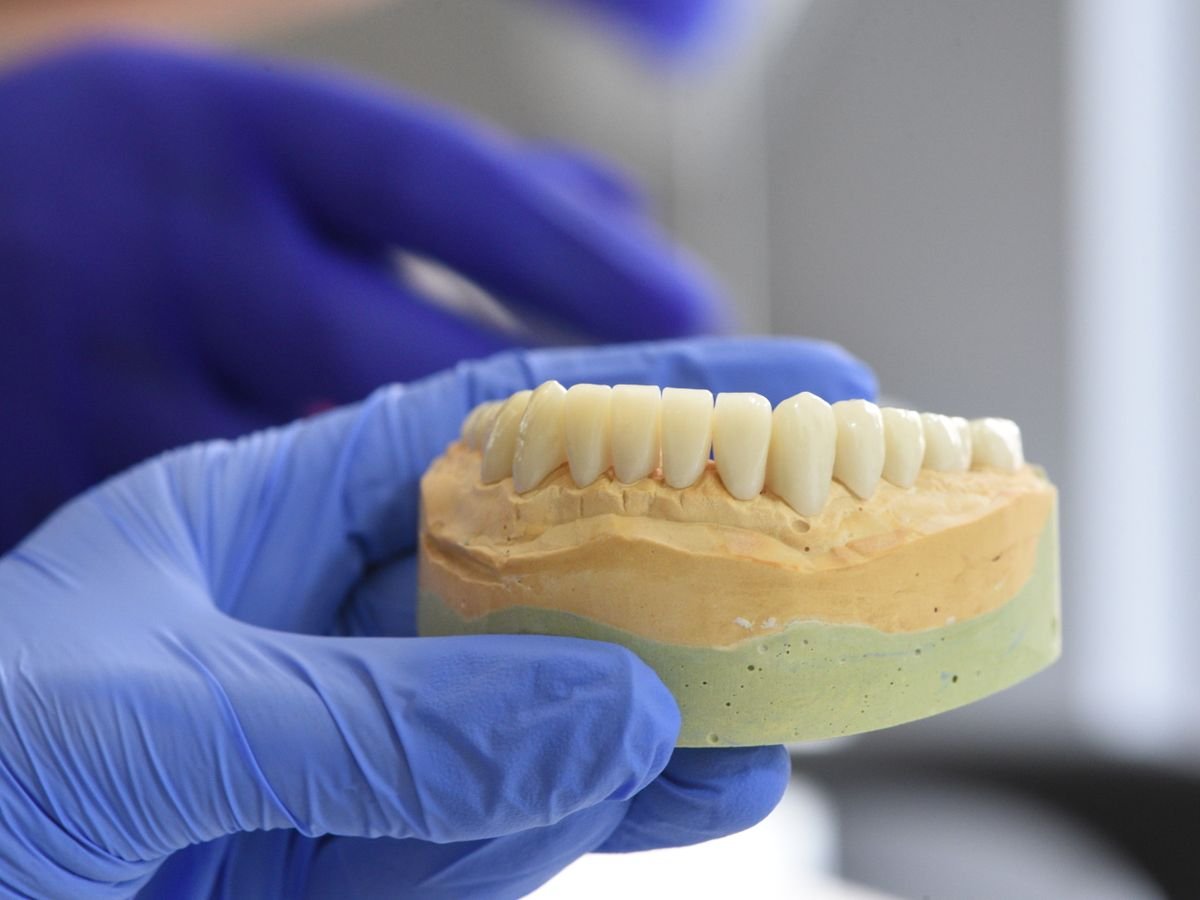
A single missing tooth can impact much more than simply aesthetics. Missing teeth can affect the way people eat, how clearly they speak, their confidence and their dental health as a whole. For many years now, dentistry has come up with better and stronger solutions to tooth loss in our patients, and perhaps implant dentistry is one of the biggest advancements for modern dental care. In this day and age, patients are presented with avenues for treatment that not only aim to restore both function and aesthetics but also future oral health.
This journey from conventional solutions to advanced fields of implant dentistry is a great manifestation of the progress and development in dental technology and care.
The Problem With Missing Teeth
We lose a tooth, and the consequences of that loss go beyond the obvious gap in our smile. Nearby teeth can eventually move out of alignment, leading to bite problems and difficulty cleaning your mouth. Furthermore, if a tooth is lost and not replaced, it may cause the jawbone to shrink in that area over time because there is no longer any stimulation there.
The primary methods for replacing missing teeth over the years have been dentures and bridges. Although these treatments are still an integral part of dentistry, they don’t always address the missing bone associated with a tooth extraction. In an event, this prompted research and dental experts to produce superior restorative solutions.
Advent Of Dental Implant Technology
Chief among the advancements in restorative dentistry are dental implants. Unlike traditional tooth replacement therapies, which typically rely on the visible part of the tooth (the crown), implants are designed to replace both the root and crown.
More importantly, a dental implant is essentially a titanium post placed in the jawbone. The bone heals and forms a natural bond with the implant, called osseointegration. This provides a reliable base for an individualised restoration that closely mimics a natural tooth.
But as with every indication that becomes popular and widely used, more patients are learning about it as implant techniques have been enhanced. A lot of people who want to know about dental implants in Sydney are often not familiar with the new tech currently available for successful outcomes.
Expanding Treatment Possibilities
People who were not suitable candidates for implants due to insufficient jawbone density previously. But recent developments have opened up treatment options for more patients than before.
Now, thanks to advancements in bone grafting procedures and sinus augmentation techniques as well as pioneering implant designs, many of the challenges that once constrained treatment are remedied. This allows many people to obtain both a pleasing and functional restoration with implants.
Dental consultations, designed at leading clinics for patients seeking to learn about dental implants in Sydney, assess their needs so that they can be properly evaluated and all obtainable approaches are outlined.
The Impact On Daily Life
The popularity of implant dentistry can be attributed to its functionality for normal activities. Implants properly placed can offer stability, which lets the patient eat most foods with greater confidence.
Most of them also find it very pleasing that the implant-supported restorations will appear natural. Because they are anchored directly into the jawbone, implants often feel more like natural teeth compared to removal options.
Aside from aesthetics, restoring missing teeth may also lead to better self-confidence. When patients are pleased with their oral health and appearance, it can be easier to smile, converse and engage socially.
The Future Of Implant Dentistry
We can see this continuously progressing exploration of what new materials, methods and digital advances could do for implant dentistry. Artificial intelligence, digital scanning and more personalised treatment planning all ways to address inefficiency and improve patient experience are making strides.
Future steps could optimise treatment accuracy, minimise downtime and improve availability in patients looking for tooth replacement options. With advances in technology, implant dentistry is likely to continue serving as one of the best means of restoring smiles and protecting long-term oral health.
Conclusion
A journey of dental science spanning decades. Implant dentistry has revolutionised our approach to treating tooth loss by providing a means of restoration that supports function, aesthetics and overall oral health. As the field of dentistry progresses, dental implants are changing into the thoughts shaping a future for everyone after technology, in addition to presenting care targeted on each affected individual and assisting humans to grin once more with confidence.