
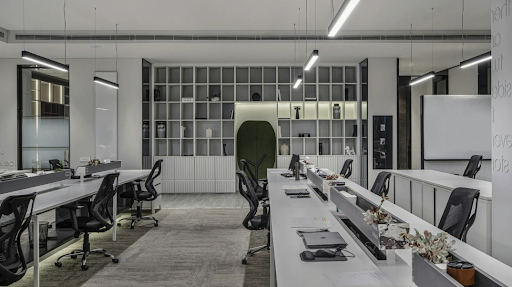
Tenant engagement plays a central role in creating thriving commercial environments where occupants feel valued, supported, and connected. Property owners and managers increasingly recognize that engagement is not only about communication but about creating meaningful experiences that improve satisfaction and retention. Early planning and enhancements, including strategic improvements through commercial remodeling in Alpharetta, help create spaces that better support tenant comfort and business needs. When engagement strategies align with thoughtful design and functional upgrades, properties can operate more efficiently while offering tenants a more welcoming and productive environment.
Engaged tenants are more likely to stay long term, reducing turnover costs and improving building stability. As commercial properties evolve in response to changing work habits and increased expectations for comfort and amenities, a proactive approach to tenant engagement becomes even more important. The foundation of effective engagement rests on understanding what tenants value most, fostering consistent communication, and providing improvements that enhance their daily experience.
Creating Collaborative and Comfortable Shared Spaces
Creating appealing shared spaces encourages tenants to interact, collaborate, and feel more connected to the community. Modern tenants often prioritize functional amenities such as well-designed lounges, meeting rooms, break areas, and outdoor seating. These spaces support productivity and comfort, making the property more attractive and competitive.
Design elements such as upgraded lighting, ergonomic furnishings, and purposeful layouts make a significant difference. Knowing how commercial office renovations can boost productivity provides valuable insight into how layout updates, improved lighting, and modern finishes can enhance tenant performance and satisfaction. When these renovations reflect tenant preferences and feedback, the resulting improvements feel personalized and meaningful.
Leveraging Communication and Feedback Systems
Consistent communication is essential for building trust with tenants. Property owners should provide clear channels for submitting requests, reporting concerns, or sharing suggestions. Digital portals, mobile apps, and automated updates can streamline communication and ensure that tenants receive timely responses.
Engagement also strengthens when tenants feel heard. Gathering feedback through surveys, check ins, or open discussions allows property managers to address issues before they grow and to identify future improvements. Effective feedback systems also highlight opportunities for updates that might benefit multiple tenants, making the property more adaptable and responsive.
Enhancing Onsite Experiences Through Upgrades and Amenities
Amenities and upgrades add significant value to commercial properties. Small improvements can have a substantial impact on daily tenant satisfaction. Examples include improved ventilation, expanded break room features, upgraded flooring, improved security features, or refreshed paint and finishes. These updates show tenants that the property is continually being enhanced to meet evolving standards.
Strategic upgrades also help attract new tenants looking for modern and well-maintained spaces. In many cases, enhancements to common areas and workspaces support a more professional and welcoming atmosphere, which benefits businesses operating within the building.
Incorporating Event-Based Engagement and Community Building
Events and shared activities can greatly improve tenant engagement by fostering connection and strengthening the sense of community within the property. Simple initiatives such as educational sessions, tenant appreciation days, networking gatherings, or wellness events encourage participation and build relationships.
These events also create opportunities for property owners to communicate upcoming changes, gather opinions, and demonstrate commitment to tenant satisfaction. Community building strengthens long-term retention and supports a positive environment that tenants enjoy being part of.
Prioritizing Safety, Accessibility, and Maintenance
Engaged tenants are more confident when the property is safe, accessible, and well-maintained. Clear signage, accessible entryways, reliable security measures, and responsive repairs demonstrate professionalism and care. Regular updates, timely maintenance, and a proactive approach to safety reinforce the idea that the property is managed with tenants in mind.
These efforts reduce disruptions to tenant operations and contribute to an overall sense of stability and trust. When buildings feel secure, and teams respond quickly, tenants are far more likely to remain engaged and satisfied.
Conclusion
Effective tenant engagement relies on thoughtful communication, well-designed spaces, responsive maintenance, and meaningful amenities that support daily operations. When commercial properties integrate functionality with opportunities for connection, tenants benefit from a more comfortable and productive environment. Long-term success depends on maintaining trust, responding proactively to tenant needs, and continually enhancing the building to support a positive and well-rounded experience.