
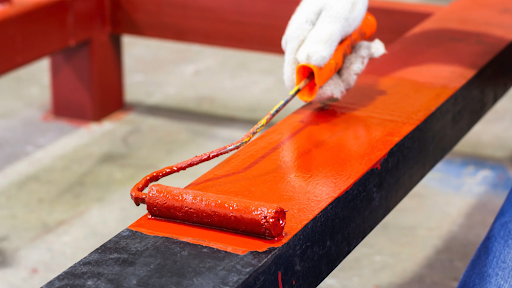
Surface preparation plays a critical role in the long-term performance of protective coatings used on metal surfaces. When coatings fail prematurely, it is often due to inadequate preparation rather than the quality of the coating itself. Using direct-to-metal paint in professional settings demands precise surface evaluation and treatment to ensure proper adhesion and durability. Industrial and commercial projects benefit greatly when preparation is handled by experienced professionals using proven methods. Understanding the importance of each preparation step helps ensure consistent coating performance and reduced maintenance over time.
Understanding the Importance of Proper Surface Preparation
Before discussing specific preparation methods, it is important to understand why surface preparation matters. Metal surfaces often contain contaminants such as oils, dirt, mill scale, or oxidation that interfere with coating adhesion. Without proper removal, these contaminants can cause blistering, peeling, or corrosion beneath the coating. Professional surface preparation ensures that the coating bonds directly to clean, stable metal, which significantly extends service life.
Surface Inspection and Condition Assessment
A thorough inspection is the foundation of successful coating application. Professionals begin by identifying visible and hidden contaminants, including grease, rust, salts, and previous coating residues. This assessment determines the level of preparation required and the appropriate methods to be used. Skipping this step can lead to under-preparation and coating failure, even when high-performance coatings are applied.
Cleaning Methods for Metal Surfaces
Once contaminants are identified, the surface must be properly cleaned. Industrial cleaning processes are used to remove oils, grease, and embedded dirt that compromise adhesion. These processes are designed to meet industry standards and are far more effective than basic cleaning approaches. Understanding optimal scenarios when to use direct-to-metal paint helps professionals determine the appropriate cleaning level required for long-term coating performance. Professional services ensure the surface is uniformly clean across the entire substrate, which is critical for consistent coating performance.
Rust and Oxidation Removal
Rust is one of the most common challenges in metal surface preparation. Professionals use controlled methods to remove rust and oxidation while creating the appropriate surface profile for coating adhesion. This step not only eliminates active corrosion but also prepares the metal to receive the coating evenly. Proper profiling ensures that the coating anchors effectively to the substrate and resists future corrosion.
Moisture Control and Environmental Conditions
Surface preparation does not end with cleaning and profiling. Moisture on the metal surface or in the surrounding environment can negatively impact coating performance. Professional applicators monitor humidity, temperature, and surface dryness before coating application. Controlling these factors helps prevent flash rusting and ensures optimal curing conditions for the coating system.
Timing and Coordination Before Coating Application
Preparation and coating must be properly coordinated. Once the surface is prepared, it should be coated within a controlled timeframe to prevent recontamination or oxidation. Professional services manage this process efficiently, ensuring that prepared surfaces are protected and coated at the optimal time for maximum adhesion and performance.
Conclusion
Proper surface preparation is essential for maximizing the performance and lifespan of metal coatings in commercial and industrial environments. From detailed inspections to controlled cleaning, rust removal, and moisture management, each step contributes to a durable and reliable coating system. When applying direct-to-metal paint, the value of professional surface preparation cannot be overstated. By relying on experienced professionals, metal surfaces receive the attention and precision required to achieve long-lasting protection and reduced maintenance costs over time.