
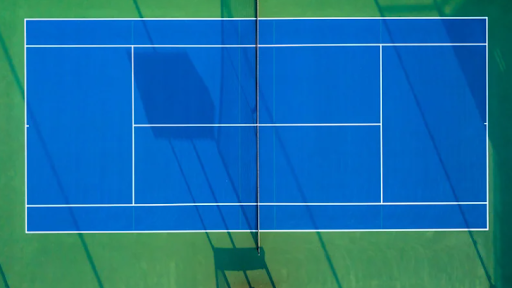
Modern tennis court construction is evolving as property owners look for long-lasting surfaces that perform well, remain durable, and support high-quality play. Newer construction materials are designed to reduce waste, extend court life, and create surfaces that meet performance standards with fewer replacements over time. As more owners invest in better building practices, working with professionals who specialize in tennis court construction in Georgia ensures the use of advanced materials that balance durability and precision. Understanding how these materials improve overall construction quality helps owners make smart decisions that support long-term value.
Why Material Selection Matters in Tennis Court Construction
Tennis courts are complex structures made up of layered systems designed to absorb impact, maintain grip, and deliver consistent ball bounce. The quality of materials used affects everything from safety to performance. When high quality mixes, coatings, and structural components are used, courts last longer and require fewer repairs.
Material selection also influences how well the court responds to weather, use, and aging. Surfaces built with stronger formulas are less prone to cracking, fading, or uneven wear. Professionals consider moisture control, soil stability, and surface traction when choosing construction materials, ensuring the court meets the needs of both recreational and competitive players.
High Performance Acrylic Coating Systems
Acrylic coatings remain one of the most widely used materials for tennis court surfaces. Newer formulations provide enhanced grip, smoother texture, and longer-lasting color retention. These coatings are engineered to withstand temperature shifts and UV exposure, reducing the likelihood of fading or surface breakdown.
Professionals use specialized equipment to apply these coatings evenly, ensuring a strong bond and consistent playability. This creates surfaces that remain stable under continuous use, making them ideal for both residential and professional courts. Understanding the advantages of professional tennis court construction can help clarify why expert installation and proper material choices make such a meaningful difference before seeking further information from outside sources.
Advanced Cushioning Systems for Player Comfort
Modern cushioning layers are engineered to provide better shock absorption without compromising surface consistency. These materials help reduce stress on joints and muscles, which is especially important for frequent players. Cushioning systems also enhance traction, allowing players to move confidently across the court.
These systems are applied beneath the acrylic coating, forming a flexible but resilient layer. Because of this structure, courts with cushioning tend to crack less often, lowering maintenance needs.
Reinforced Base and Structural Components
Construction starts with a stable foundation. High-strength base materials and improved compaction methods create surfaces that remain level and stable. Professionals often incorporate reinforced aggregates and moisture-controlling components to prevent issues such as sinking, erosion, or surface separation. With the right base materials, courts maintain structural stability for many years, reducing the need for costly reconstruction or resurfacing.
Long Lasting Line and Court Marking Materials
Modern striping materials are designed to bond securely with acrylic surfaces and maintain crisp visibility. These coatings resist peeling, cracking, and fading, ensuring that lines stay bright and accurate even with heavy play. High-quality marking materials contribute to a polished appearance and improve accuracy during competitive matches.
Conclusion
Choosing the right materials for tennis court construction plays a significant role in durability, performance, and long-term value. Modern surface systems, improved base structures, and advanced coatings allow courts to withstand regular use while maintaining consistent quality. By working with professionals who understand these materials and apply them correctly, property owners can enjoy well-built courts that support better play and reduced long-term maintenance needs.