
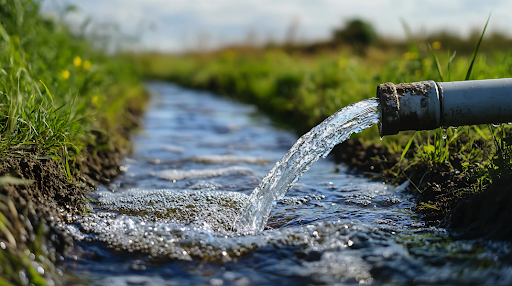
A lush, healthy lawn is a source of pride for any homeowner, but underlying water issues can quickly turn that dream into a muddy mess. While a little bit of water after a storm is normal, persistent moisture problems are a clear signal that your property cannot handle the runoff effectively. Ignoring these signs can lead to landscape damage, soil erosion, and even costly structural issues for your home. Recognizing the warning signs early is key to implementing effective drainage solutions in Alpharetta before minor issues escalate into major problems that require extensive and expensive repairs.
Obvious Signs of Water Logging
Some drainage problems are impossible to ignore. These are the most apparent indicators that your property is retaining too much water and needs a professional assessment to correct the flow.
Persistent Puddles and Soggy Spots
If you notice standing water in your yard for more than a day after a rainstorm, it is a classic sign of poor drainage. Certain low spots may consistently turn into small ponds, making the area unusable and creating a breeding ground for mosquitoes. Similarly, a lawn that feels spongy or squishy underfoot long after the rain has stopped indicates that the soil is saturated and unable to drain properly.
Subtle Clues of Poor Drainage
Not all drainage issues are as obvious as a puddle. Some signs are more subtle, slowly causing damage over time. Learning to spot these less apparent clues can help you address problems before they become severe.
Soil Erosion and Mulch Displacement
Uncontrolled water flow can be a destructive force in your yard. Look for signs of erosion, such as exposed tree roots, newly formed gullies on slopes, or areas where topsoil has clearly washed away. You might also notice that mulch from your flower beds is consistently washed out onto walkways or the lawn after it rains. This indicates that surface water is moving too quickly and needs to be redirected. Finding the perfect fit for your landscape is essential to control this flow.
Water Stains in the Basement
One of the most serious consequences of poor yard drainage is water damage to your home’s foundation. If you see damp patches, water stains, or a white, chalky substance known as efflorescence on your basement walls, it is a strong indicator that water is pooling against your foundation. The Environmental Protection Agency (EPA) warns that moisture intrusion can lead to mold growth and compromise indoor air quality, making this a critical issue to address.
Impact on Plant and Structural Health
The long-term effects of poor drainage extend to both your landscape and your home itself. A consistently wet environment is detrimental to the health of your plants and the stability of your hardscape.
Unhealthy Lawn and Plants
While plants need water, oversaturation deprives roots of oxygen, leading to root rot and other diseases. If your lawn has yellowing patches or your shrubs and flowers seem to be struggling despite proper care, poor drainage could be the culprit.
Cracking or Shifting Hardscape
Water can also wreak havoc on patios, walkways, and retaining walls. Water seeping underneath these structures can cause the ground to shift, leading to cracks, uneven surfaces, and instability. This not only looks bad but can also create tripping hazards.
Conclusion
Your yard provides many clues when it has a drainage problem. By paying attention to everything from standing water to the health of your foundation, you can catch issues early. Addressing these warning signs with a professional solution is a crucial step in protecting your landscape, your home’s structural integrity, and your property value. An effective system will not only solve existing problems but also prevent future damage, ensuring your outdoor space remains healthy and enjoyable.