
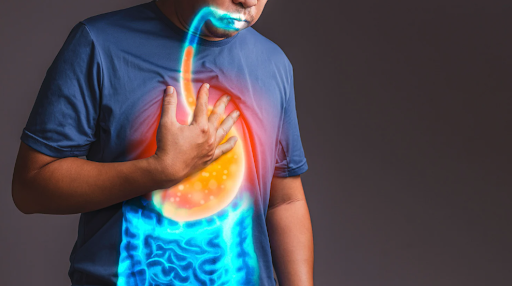
Many people experience occasional heartburn after a heavy meal, but when that burning sensation becomes a frequent visitor, it may signal a more chronic condition. Gastrointestinal Reflux Disease (GERD) occurs when stomach acid persistently flows back into the tube connecting your mouth and stomach. While it might seem like a mere annoyance at first, ignoring the symptoms can lead to severe long-term health consequences. Seeking professional evaluation for GERD reflux in Baltimore is essential to prevent permanent damage to your digestive system and overall well-being.
The Progressive Damage to the Esophagus
The most immediate impact of untreated reflux is the physical damage it inflicts on the delicate lining of the esophagus. Unlike the stomach, which is built to handle harsh acids, the esophageal tissue is vulnerable to erosion.
Esophagitis and Ulcers
When acid repeatedly washes over the esophagus, it causes inflammation known as esophagitis. This condition can make swallowing painful and difficult, often creating a sensation that food is stuck in the chest. Over time, this chronic irritation can wear away the lining to the point where open sores, or ulcers, form. These ulcers can bleed, causing pain and potentially leading to anemia if the blood loss is significant enough. Without medical intervention, the cycle of inflammation and injury continues, making daily eating and drinking increasingly uncomfortable.
Esophageal Strictures
As the body attempts to heal the damage caused by constant acid exposure, scar tissue may form. Unfortunately, scar tissue is not as flexible as healthy tissue. As it builds up, it can narrow the esophagus, a condition called a stricture. This narrowing physically obstructs the path of food to the stomach, leading to choking hazards, weight loss, and malnutrition. Strictures often require invasive procedures to dilate the esophagus, which could be avoided with early management of the underlying reflux.
Increased Risk of Barrett’s Esophagus
One of the most concerning complications of long-term, untreated GERD is a cellular change known as Barrett’s Esophagus. This condition represents a precancerous adaptation by the body.
Cellular Mutation
In an attempt to protect itself from acid damage, the cells lining the lower esophagus may change to resemble the tissue found in the intestine. This mutation is a serious warning sign. While Barrett’s Esophagus itself does not cause symptoms, it significantly increases the risk of developing esophageal adenocarcinoma, a serious and often fatal form of cancer. Understanding the distinction between simple symptoms and chronic disease is vital; learning about GERD vs acid reflux can help patients recognize when it is time to seek advanced medical care. Regular monitoring and biopsy are required once this condition develops, making prevention the far better strategy.
Respiratory and Dental Complications
The effects of untreated reflux are not limited to the digestive tract. Acid can travel upward and affect other systems in the body, leading to surprising and often misdiagnosed health issues.
Impact on Lungs and Throat
When stomach acid reaches the throat and is inhaled into the lungs, it can cause chronic respiratory problems. This phenomenon is known as aspiration. Patients may suffer from persistent coughing, wheezing, or even pneumonia. For those with asthma, untreated GERD is a known trigger that can make symptoms significantly harder to control. Additionally, chronic laryngitis and hoarseness are common as the vocal cords become irritated.
Erosion of Dental Enamel
Stomach acid is strong enough to erode the protective enamel on teeth. Patients with chronic reflux often experience increased tooth sensitivity, cavities, and gum disease. Dentists are sometimes the first to spot the signs of GERD due to the specific pattern of wear on the back teeth. This dental damage is irreversible and can lead to costly restorative work if the acid exposure is not stopped at its source.
Conclusion
Ignoring the persistent symptoms of reflux is a gamble with your long-term health. What begins as discomfort can escalate into serious complications ranging from esophageal scarring to respiratory issues and increased cancer risk. By prioritizing early detection and professional treatment, you can stop the progression of this disease. Medical intervention not only provides relief from daily pain but also safeguards your body against irreversible damage, ensuring a healthier and more comfortable future.