
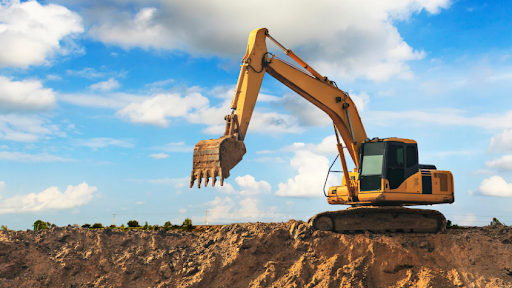
An excavating contractor plays a critical role in the early stages of construction by preparing land for safe and stable building. From residential projects to large-scale developments, excavation work lays the groundwork that everything else depends on. Partnering with an experienced excavation contractor in Cleveland ensures that soil conditions, site layout, and structural requirements are properly addressed before construction begins. This specialized work requires technical knowledge, precision, and professional equipment to support long-term project success.
Excavating contractors are responsible for shaping the land to match engineering plans. Their work directly influences foundation stability, drainage performance, and overall site safety. Understanding what an excavating contractor does helps clarify why their role is essential in construction projects of all sizes.
Site Preparation and Land Clearing
One of the primary responsibilities of an excavating contractor is preparing the construction site. This process begins with clearing vegetation, debris, and obstacles that could interfere with building plans. Trees, rocks, and uneven ground are removed to create a workable surface.
Site preparation also includes grading the land to establish proper elevation and slope. Accurate grading helps manage water flow and prevents drainage issues that could compromise foundations. This step ensures the site is ready for excavation and construction activities. Proper land preparation supports safety and efficiency throughout the project. By creating a stable and accessible site, excavating contractors help reduce delays and complications during later construction phases.
Excavation for Foundations and Footings
Excavation for foundations and footings is a core responsibility of excavating contractors. This work involves digging to specific depths and widths based on structural plans and soil conditions. Precision is essential because foundation elements must rest on stable ground.
Contractors evaluate soil composition to determine how excavation should be approached. Weak or unsuitable soil may need to be removed or treated to ensure proper support. Accurate excavation allows concrete foundations to cure evenly and maintain structural integrity over time. Footing excavation also helps distribute building loads evenly into the ground. This balanced support reduces the risk of settlement and structural stress as the building ages.
Utility Trenching and Infrastructure Support
Excavating contractors are often responsible for trenching to install or maintain underground utilities. These may include water lines, drainage systems, electrical conduits, and communication infrastructure. Trenching requires careful planning to ensure correct depth and alignment. Accurate utility excavation prevents damage to existing lines and supports long-term system performance. Contractors use specialized equipment and techniques to minimize disruption to the surrounding soil and structures. Proper trenching also supports safety by ensuring utilities are installed according to specifications. This reduces the risk of leaks, service interruptions, and future repairs.
Drainage and Erosion Control
Excavating contractors also play a key role in managing water around a construction site. Proper drainage planning prevents water accumulation that can weaken soil and foundations. Contractors shape the land to direct water away from structures and toward appropriate drainage areas. Erosion control measures are often integrated into excavation work. These measures help protect soil stability during and after construction. By managing water flow and soil movement, contractors help preserve site integrity. Drainage planning supports foundation longevity and reduces maintenance needs over time.
Collaboration and Project Coordination
Excavating contractors work closely with engineers, builders, and inspectors to ensure excavation aligns with project plans. This coordination helps identify potential issues early and supports smooth project progression. By following detailed specifications and communicating effectively, excavating contractors help maintain accuracy throughout the construction process. Their work sets the stage for all subsequent building activities.
Conclusion
Excavating contractors perform essential tasks that shape the success of construction projects. From site preparation and foundation excavation to utility trenching and drainage planning, their expertise supports safety, stability, and long-term performance. Accurate excavation creates a strong foundation for every structure and helps prevent costly issues in the future. Understanding what an excavating contractor does highlights the importance of professional excavation in achieving durable and reliable construction outcomes.