
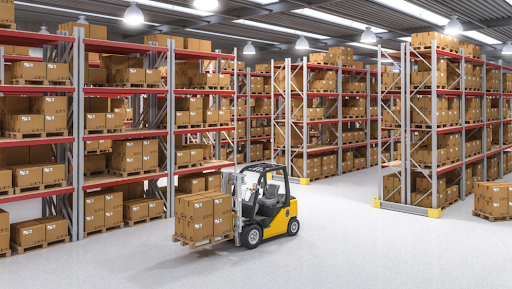
In the world of commerce, the terms logistics and supply chain management are often used as if they mean the same thing. While they are closely related and deeply interconnected, they represent different scopes of activity. Supply chain management is the broad framework that encompasses the entire journey of a product, from sourcing raw materials to final delivery. Logistics is a critical component within that framework. Effective warehouse management logistics is the engine that drives the physical movement and storage of goods, ensuring the supply chain functions smoothly and efficiently.
Defining the Roles: Supply Chain vs. Logistics
To appreciate how they work together, it is important to understand their individual functions. Supply chain management is the strategic oversight of the entire process, while logistics is the tactical execution of specific parts of that process.
Supply Chain Management: The Big Picture
Supply chain management involves planning, executing, and controlling all activities related to the flow of goods, information, and finances. It includes sourcing raw materials, manufacturing products, and coordinating with various partners like suppliers, manufacturers, and retailers. The goal is to create a seamless, efficient network that optimizes production and delivery, reduces costs, and enhances customer satisfaction. It is a strategic function focused on creating a competitive advantage through network design and collaboration.
Logistics: The Hands On Execution
Logistics is the part of the supply chain that deals with the physical movement and storage of goods. Its primary functions include transportation, warehousing, inventory management, and order fulfillment. Logistics managers are responsible for getting the right product to the right place at the right time and in the right condition. This involves managing fleets, planning routes, operating warehouses, and ensuring that goods are handled correctly from point A to point B. It is the practical implementation of the broader supply chain strategy.
How Logistics Powers the Supply Chain
Logistics is the operational arm that brings the strategic plans of supply chain management to life. Without efficient logistics, even the best supply chain strategy would fail.
The Critical Role of Warehousing
Warehouses are more than just storage facilities; they are vital hubs where logistical activities are coordinated. It is here that inventory is managed, orders are picked and packed, and shipments are prepared for transport. Quality control is another essential function performed within the warehouse. Understanding the different types of quality inspections in warehousing is crucial for ensuring that only products meeting specific standards proceed to the customer. This meticulous attention to detail within the warehouse prevents defects and upholds brand reputation.
Transportation and Final Delivery
Transportation is arguably the most visible aspect of logistics. It connects all the nodes within the supply chain, from the supplier to the factory and from the warehouse to the end consumer. Efficient transportation management focuses on selecting the best mode of transport, optimizing routes to save time and fuel, and tracking shipments to provide visibility. This seamless movement ensures that inventory levels are maintained, production schedules are met, and customer delivery promises are kept, which are all key objectives of the overarching supply chain strategy.
Conclusion
Logistics and supply chain management are two sides of the same coin, each essential for the success of the other. Supply chain management provides the strategic blueprint for the entire product journey, while logistics provides the practical means to execute that plan. By coordinating the physical flow of goods through expert warehousing, inventory control, and transportation, logistics ensures that the broader supply chain goals of efficiency, cost reduction, and customer satisfaction are achieved. Their synergy is fundamental to the success of any modern business.