
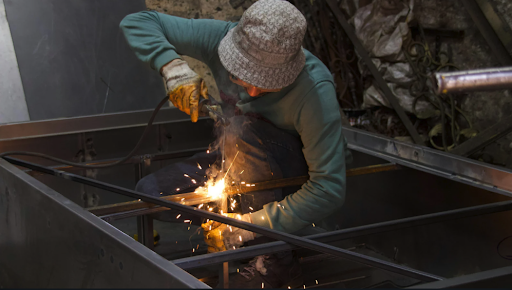
Industrial operations often produce fumes, dust, and airborne particles that pose significant risks not just to human health but also to the machinery itself. Protecting these substantial investments is crucial for maintaining productivity and avoiding costly downtime. An effective fume extraction system is a critical component in safeguarding equipment from the damaging effects of contamination.
The Impact of Contaminants on Industrial Equipment
Airborne contaminants generated during processes like welding, soldering, and chemical processing can settle on and infiltrate sensitive machinery components. Understanding how a fume extraction system works is essential for grasping how these systems prevent buildup that leads to corrosion, overheating, and mechanical failure. This accumulation can lead to a host of problems that compromise equipment performance and lifespan.
Corrosion and Material Degradation
Many industrial fumes contain corrosive agents that can react with metal surfaces. Over time, this exposure leads to rust and material degradation, weakening structural components and leading to premature failure. Electrical contacts and connections are particularly vulnerable, as corrosion can disrupt conductivity and cause malfunctions.
Overheating and Mechanical Failure
Dust and particulate matter can clog cooling vents, insulate components that need to dissipate heat, and interfere with moving parts. This can cause machinery to overheat, placing stress on motors and electronics. The buildup of debris in mechanical assemblies can also increase friction, leading to accelerated wear and tear and eventual mechanical failure.
How Fume Extraction Mitigates Machinery Risks
Implementing a professional fume extraction solution is a proactive strategy to protect your assets. These systems are designed to capture contaminants before they can spread throughout the facility and settle on your equipment.
Preventing Particulate Buildup
The primary function of a fume extractor is to pull harmful particles directly from the work area. By removing dust, smoke, and chemical vapors at their source, the system prevents them from circulating in the air and accumulating on or inside your machinery. This simple action keeps cooling systems clear, mechanical parts moving freely, and sensitive electronics free from damaging residue.
Reducing Corrosive Damage
Fume extraction also plays a vital role in minimizing exposure to corrosive substances. By capturing chemical fumes and vapors, these systems reduce the concentration of acidic or alkaline agents in the air. This limits the potential for chemical reactions that degrade metal surfaces, circuit boards, and other sensitive materials, thereby preserving the integrity of the equipment.
Conclusion
Protecting high-value machinery is essential for operational continuity and profitability. Airborne contaminants present a constant threat, capable of causing corrosion, overheating, and mechanical failures. By installing a robust system to capture fumes and particulates at the source, businesses can significantly reduce these risks. This proactive approach not only extends the life of critical equipment but also supports a more reliable and efficient production environment, preventing unexpected repairs and costly downtime. Implementing an engineered extraction solution functions as a strategic safeguard, reinforcing asset longevity and stabilizing throughput across the production ecosystem. Organizations that prioritize contaminant control position themselves to optimize performance metrics, streamline maintenance workflows, and mitigate operational volatility.